I never thought it was a skill. I thought everybody saw this stuff.
For most of my career, fixing broken systems was my side quest. I’d walk into a paper operation and think this could run itself — and then I’d make it run itself. Not because anyone asked. Because the puzzle was right there and I can’t leave a puzzle unsolved.
New hire. No training manual. So I built one.
I walked into my first real job and discovered there was no onboarding documentation. New hires learned by shadowing and hoping. So I built the training manual — structured it, wrote it, got it into use — and moved on like it was nothing. That’s been the through-line my whole career: I see the gap, I fill it, I move on. The fact that nobody else filled it first is still genuinely confusing to me.
Top sales. Every district. Because I sold the “why,” not the feature.
I hit the top of the board because I figured out early that knowing the tech wasn’t what got people to buy — it was finding the one thing that would actually matter to them. The grandmother who came in wanting to see her grandkids didn’t need a data plan explained. She needed someone to show her picture messaging in plain English. She came back. And she brought her friends. That instinct is the through-line in everything I’ve done since. I don’t sell features. I sell value.
By 2007, I could see the phone market was changing in a way that didn’t interest me anymore. So I made a calculated decision, walked away from a winning streak on purpose, and went back to school. I’ve made that kind of call more than once. I haven’t been wrong yet.
Dean’s list. President of the chapter. And yes — I digitized those too.
Went back to school, top of my class. Founded the student paralegal association chapter, served as president, then president of the local professional chapter after graduation — where I built their digital infrastructure because of course I did. Then private law offices. Firm after firm: walk in on paper, walk out fully digital. Not because it was in my job description — because I physically couldn’t look at a broken system and leave it alone. I never once thought it was marketable. Then we found out we were expecting.
You have the skills. I’ll sell them. I’ll learn the rest along the way.
Michael had been building DNN websites since version 4. When we found out we were expecting, I left my paralegal career and we built the studio together — his technical foundation, me running everything client-facing. What I didn’t expect was how quickly clients started venting about their internal systems. Nobody came in saying “I need workflow automation.” They came in with pain: “I spend every Friday on paperwork that should take an hour.” So I started building internal systems for them. That work grew until it was bigger than the websites.
I don’t take no for an answer — not from a platform, not from a developer, not from conventional wisdom. One build hit wall after wall. Zoho said it couldn’t be done. A specialist said the same. I kept going. Not because I had the answer. Because I knew the answer existed. That’s the paralegal brain applied to automation: know the rules cold, know the edges, work within them until you get the outcome you need.
“You are definitely the ‘see it, do it, done’ person who knows how to get things done. I loved that I never needed to tell you what I needed done. You seem to know what I needed before I did.”
Gayle Smith, J.D. — Instructor, Empire College · 2010
“She is diligent, she thinks long-term, and she has excellent people skills. She has been hired on an ‘as-needed’ basis for overflow work by other attorneys on my floor — that should tell you something.”
John Hendrickson — Attorney and Counselor at Law · 2011
“Paralegal, sales, consultant, now AI — which one is the actual expertise?” All of them.
Every chapter was built on the same skill: read what’s broken, figure out what’s needed, build it. The label kept changing. The work didn’t. AI isn’t a pivot — it’s the thing that finally removes every ceiling I used to run up against. Same instinct. Dramatically different capability. I’ve made calculated moves my whole career. This is not a pivot. This is the one I’ve been building toward.
“The high-potential character in me won’t walk away from an unsolved puzzle. I can’t walk away from a digital environment that isn’t running smooth. Let me build those gears and watch it purr as the work runs itself. Nothing is more satisfying to me.”
Two founders. Both in the work. Every project.
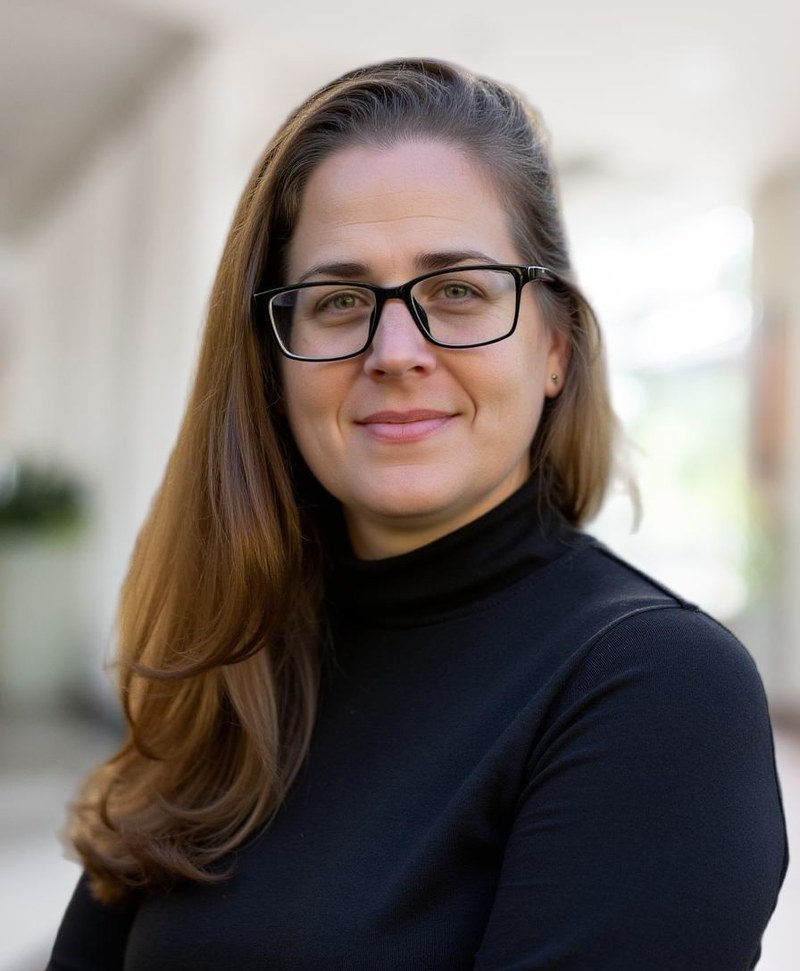
I sit between you and the technical chaos and make it make sense. I run discovery, map your workflows, figure out what actually needs to be built, and then build it — or direct Michael to build it — or tell you honestly when something off-the-shelf is the right call. No agenda either way.
Before I recommend anything, I learn how your business actually works. By the time we build anything, I know your operation the way a long-term employee would. Paralegal background: wired for research, precision, and making complex things legible. I pick up new platforms fast and I teach them the same way. Clients walk away understanding how their own systems work, not just trusting that they do.
I won’t disappear after delivery. And I won’t walk away from a puzzle that isn’t solved yet.
Michael is the builder. A DNN developer since 2004, he handles front-end development, platform architecture, and the deep technical work that keeps everything running. His contributions are in the DNN community codebase — he’s been building at that level long enough that other developers recognize his name.
When Michelle designs the system, Michael builds the parts that need to be built from scratch. When a client needs something that doesn’t exist yet, he writes it. He doesn’t implement tools — he writes the functionality those tools run on.
Quiet. Precise. Highly capable. Exactly who you want when the work actually matters.
We work in whatever tool fits your business.
We don’t push a preferred platform. The tool always follows the business need. If none of the existing tools fit, we build something you won’t have to pay subscriptions for forever.
Tell me where you are.
I’ll take it from there.
Pen and paper or already on Salesforce — it doesn’t matter. Tell me what’s broken, what’s slow, or what you’re tired of doing by hand. I’ll tell you what’s possible.