See one phase in full, before you spend anything.
One complete phase from a real report, every field filled in, including the finding that says leave this alone. Enough to judge the depth without us handing you a roadmap for somebody else’s restaurant.
A real engagement, with the name off and seven phases held back.
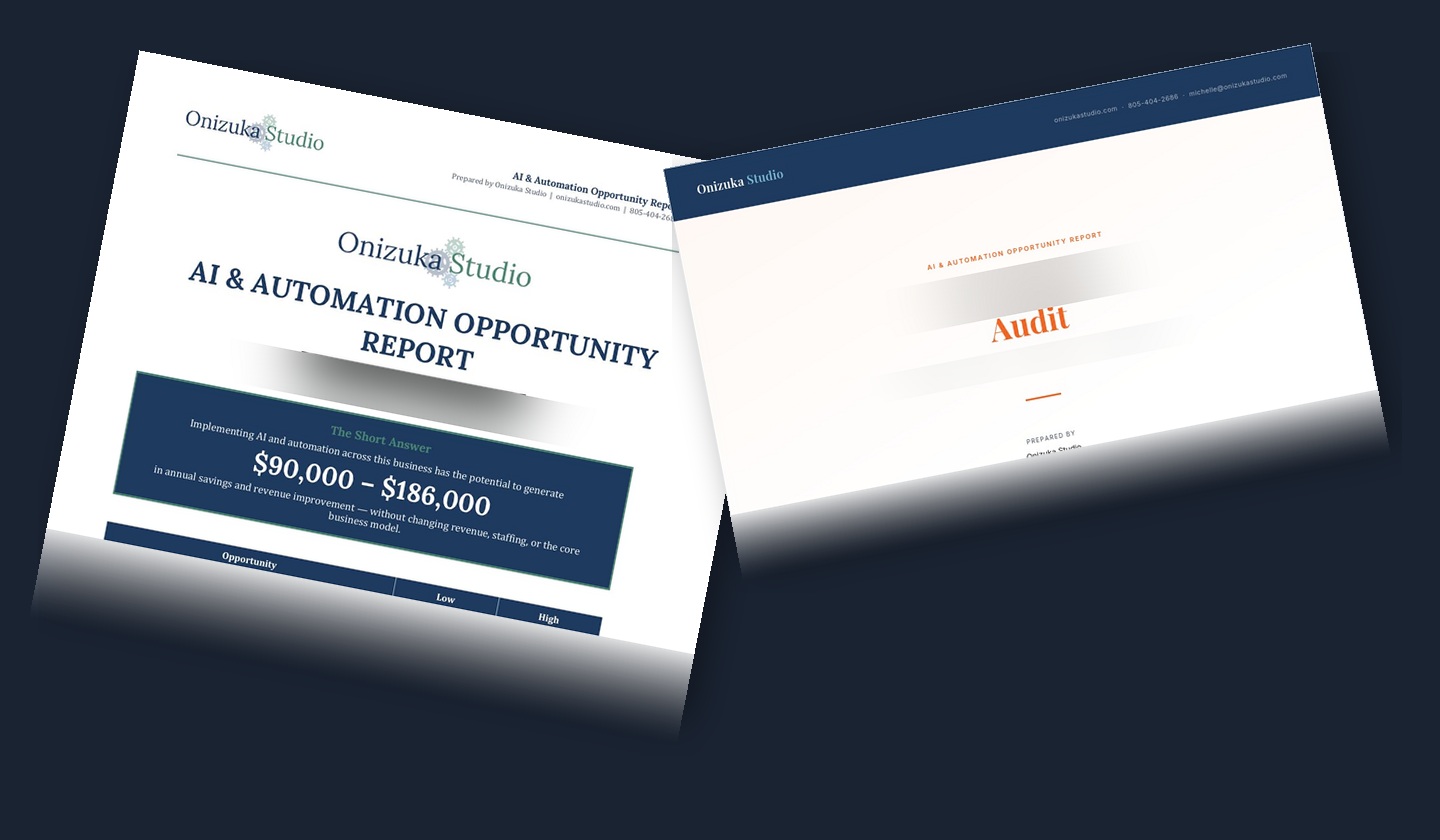
The client and anything identifying is removed. What you see is phase one of eight, with all six findings complete: the steps, the tools, the effort, who does it, what it depends on, and what it unblocks. Exactly the format a paying client receives.
The remaining seven phases are not published, and neither are the AI handoff blocks. Not to create artificial scarcity. The ordered sequence for a specific business is the product, and a full report on screen is a report anyone can photograph and run.
Because the sequence is the product.
Every other page here argues that the ordering, the prerequisites and the refusals are what you are paying for rather than the individual tasks. If that is true, publishing a complete ordered roadmap would be giving away the thing we just spent a page explaining the value of.
One phase proves the depth. Eight phases is the deliverable.
It would also not help you as much as it looks like it would. Phase one for a sample restaurant is built from that restaurant’s answers, and yours will differ in ways that matter. What carries across is whether the work looks careful, which is what one complete phase is for.
If you want more before deciding, take the free nine-question scan. That runs on your business rather than somebody else’s, returns twelve to sixteen sequenced items, and costs nothing.
Six answers before you do anything.
A finding you cannot act on is a symptom with better formatting.
What to do
Concrete steps, in order, in plain language. Not “improve inventory management.”
How long
An afternoon. A week or two. Ongoing. So you can plan around it.
Who
You, your team, one free call with a vendor you already pay, or a developer.
Why it appeared
The specific thing you told us that surfaced it, quoted back.
Why here
What it sits on top of, and why doing it earlier would not hold.
What it unblocks
The items waiting on this one, so you can see what finishing it buys you.
Each phase ends with a block you hand to your own AI.
You copy it into whichever assistant you already use. It carries that phase, its prerequisites and its constraints, so you get help doing the work in front of you instead of a fresh list of twenty unordered ideas. One block per phase, not one for the whole report, so the model cannot range ahead into work you are not ready for.
The limits travel with it. Where the audit says do not automate this, that instruction goes into the session too.
Which matters, because an AI asked what to automate will cheerfully automate the thing you were told to leave alone.
These blocks are not in the published sample. They are the part that turns a report into work getting done, and they belong to the person who bought it.
Before you decide.
Can I see a report before buying an audit?
Yes. One complete phase from a real report is published, with every field filled in, including the finding that recommends leaving something alone.
Is the sample a real report?
It is a real report with the client and any identifying detail removed. The findings, the sequencing, the dependencies, and the format are unchanged.
What does a report contain?
Each finding includes what to do, how long it takes, who should do it, the specific answer that surfaced it, why it sits where it does, and what completing it unblocks.
The audit is the same thing, pointed at your business.
Nine questions free, or the full version with your own sequenced roadmap.